5 Fatal Mistakes Albanians Make When Applying for Jobs in Germany (And How to Avoid Them)
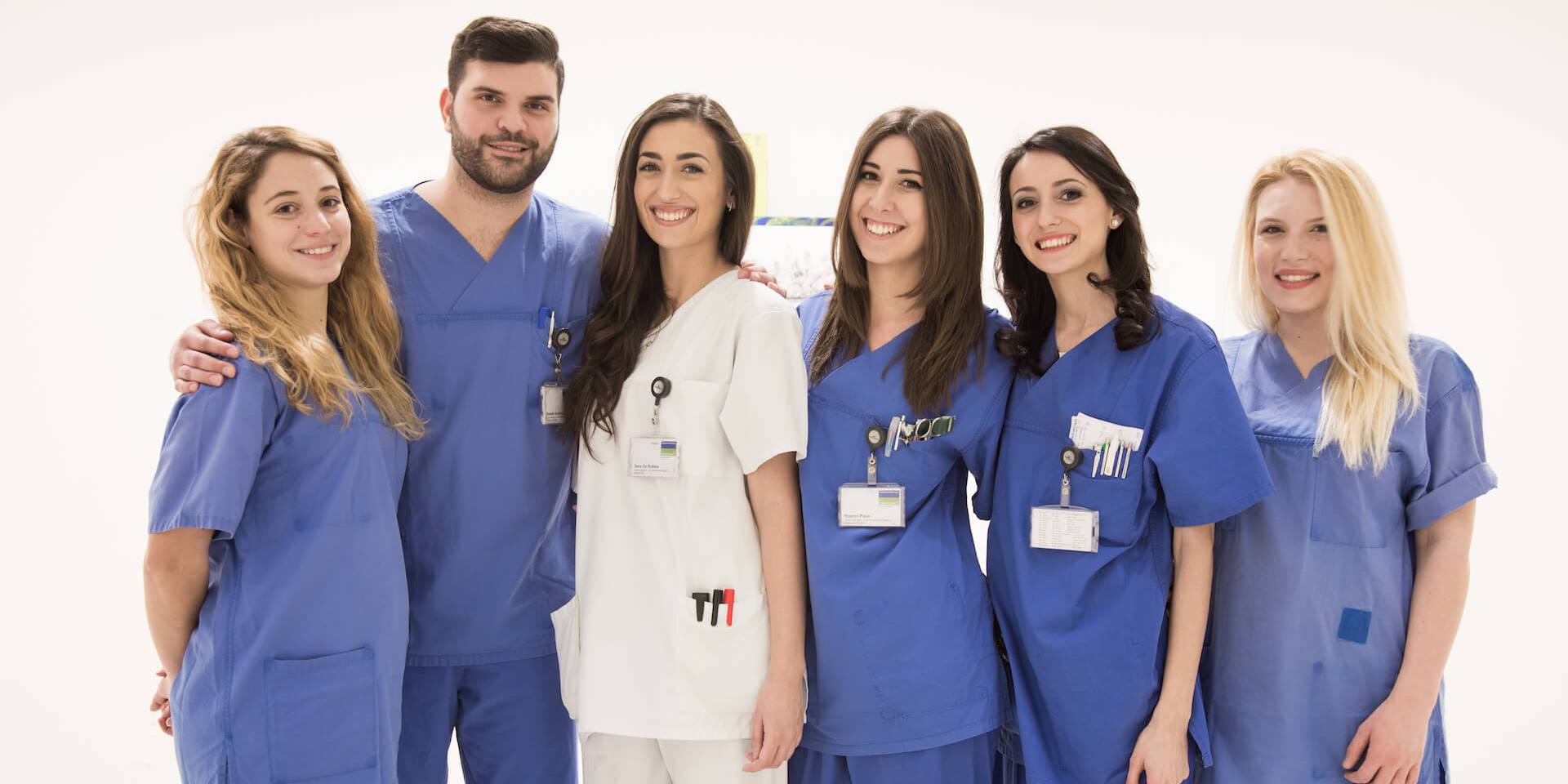
Leaving your homeland to build a future in Germany is not just a change of address; it is one of the boldest decisions you can make in life. For every nurse, doctor, or professional coming from Albania with the dream of a European career, Germany sounds like the promised land: stability, order, salaries that reward your sweat, and modern working conditions.
But let’s be completely honest for a moment. How many times have you heard similar stories: “I applied to dozens of places and no one answered me”?
Do you know what happens behind the scenes in HR offices in Germany? 90% of applications from Albania are disqualified in the first five minutes. And the biggest irony? It’s not people without skills who fail, but capable people who fall into the trap of tiny bureaucratic and cultural details.
If you are ready to stop wasting time and want your name to be at the top of German employers’ preferred lists, here are 5 mistakes that are subconsciously sabotaging you – and the secret formula on how to fix them immediately.
1. The Wrong Format: Sending a “Standard CV” instead of a German Lebenslauf
Let’s start with your business card. If you think you can grab a standard CV template from the internet, translate it word for word from Albanian, and send it off, you have just burned your chance.
- What you do wrong: German HR managers don’t have time to read long, unclear paragraphs. To them, a poorly structured CV is the first sign of a lack of precision and discipline – two sacred virtues in Germany.
- How to turn it into an advantage: Forget outdated formats. You need a tabellarischer Lebenslauf (tabular CV). Every detail must be surgically precise, listed in reverse chronological order (from today to the past), and accompanied by a very professional portrait photo. Make your CV speak clearly for you before you say your first word.
2. The Cover Letter: Google-Copied Text That Gets You Disqualified Immediately
Many applicants treat the cover letter (Anschreiben) as an annoying formality, a piece of paper that simply fills the file. Some even copy ready-made sentences from online forums.
- What you do wrong: Germans easily spot a “fake” or generic letter. If your letter doesn’t show concretely why you want to work specifically in that clinic, in that city, and what unique value you bring there, it goes straight into the trash can.
- How to turn it into an advantage: Treat this letter as your opportunity for a personal introduction. Study the institution you are applying to. Mention their values, connect them with your ambitions, and show that you are the right person to solve their challenges. A customized letter works wonders.
3. The Culture Clash in the Interview: When Sincerity Is Misunderstood
You’ve passed the first phase, secured an online interview, prepared yourself… and suddenly something goes wrong. Why? Because the dynamics of a job interview in Germany differ fundamentally from those in Albania.
- What you do wrong: On one hand, showing excessive informality can make you look unserious. On the other hand, being frozen, insecure, and scared shows a lack of confidence. Disregarding small details, such as being two minutes late or disrespecting professional distance (Sie vs. Du), can cost you the contract.
- How to turn it into an advantage: Prepare like an athlete before a match. Learn the rules of German work culture. Train yourself to speak clearly, with a confident voice, giving real examples of how you handled difficult situations in your past hospitals or facilities. Germans adhere to transparency, professionalism, and calmness.
4. “Ah, I’ll get by with English for now”: Underestimating the Power of the German Language
This is perhaps the most costly mistake of all. Many healthcare professionals think they can manage initially with English, or that a quickly obtained certificate will suffice to get by without much effort.
- What you do wrong: In medicine and nursing, language is not just a luxury communication tool – it is the tool for patient life safety. A small misunderstanding due to a poor language level can be fatal. German institutions make no compromises with official levels (B2/C1 from recognized institutions like Goethe, telc, etc.).
- How to turn it into an advantage: Do not view language as a bureaucratic obligation, but as your key to freedom. Invest time in high-quality courses that immediately introduce you to specialized medical jargon (Fachsprache). When you master the language, you are no longer just a foreigner looking for work, but a sought-after specialist who sets their own terms.
5. Adventures Without a Map: Starting the Anerkennung Process Without a Strategy
Deciding to leave is easy; climbing the bureaucratic mountain of diploma recognition (Anerkennung) without a plan is professional suicide.
- What you do wrong: Submitting incomplete, incorrectly translated documents or applying in the wrong federal state (Land) can block your file for months or years, causing unnecessary stress and expenses.
- How to turn it into an advantage: Never walk alone in the dark. Secure institutional support or the help of a dedicated forum that knows the German system inside and out. When you have someone guiding you step by step – from gathering your Albanian school curricula to the perfect submission of the file in Germany – the path becomes safe and short.
Time to Act
Success in Germany does not smile upon those who try their luck, but upon those who prepare like true professionals. Now that you know these hidden pitfalls, you hold the advantage to do things differently.
Start Your Journey with the Right Partner
Want to master the relocation process error-free – with total document support, professional language courses, and an open door to the most prestigious German clinics?
Write to us today at mbf-albania@michels-care.com or apply to become part of our vision!
Ready to Start Your Career in Germany?
Take your first safe step today with Michels Bildungsforum Albania and make your European dream a reality!